Barefoot shoes are becoming increasingly popular thanks to their innovative approach to walking and lower limb health. This type of footwear is designed to maximize respect for the biomechanics of the human body, promoting optimal foot function without unnecessary restrictions. From muscle strengthening to improved postural stability, barefoot shoes offer many benefits that go beyond everyday comfort – they are a return to natural walking.
Most commonly available shoes are designed with an emphasis on aesthetics and support, but not on the functional health of the feet. Structured soles, narrow toes, and raised heels may increase comfort in the short term, but in the long term, they interfere with the natural function of the foot. The barefoot approach, on the other hand, seeks to minimize mechanical restrictions and allow the foot to function fully as evolution intended.
Differences between barefoot shoes and conventional footwear
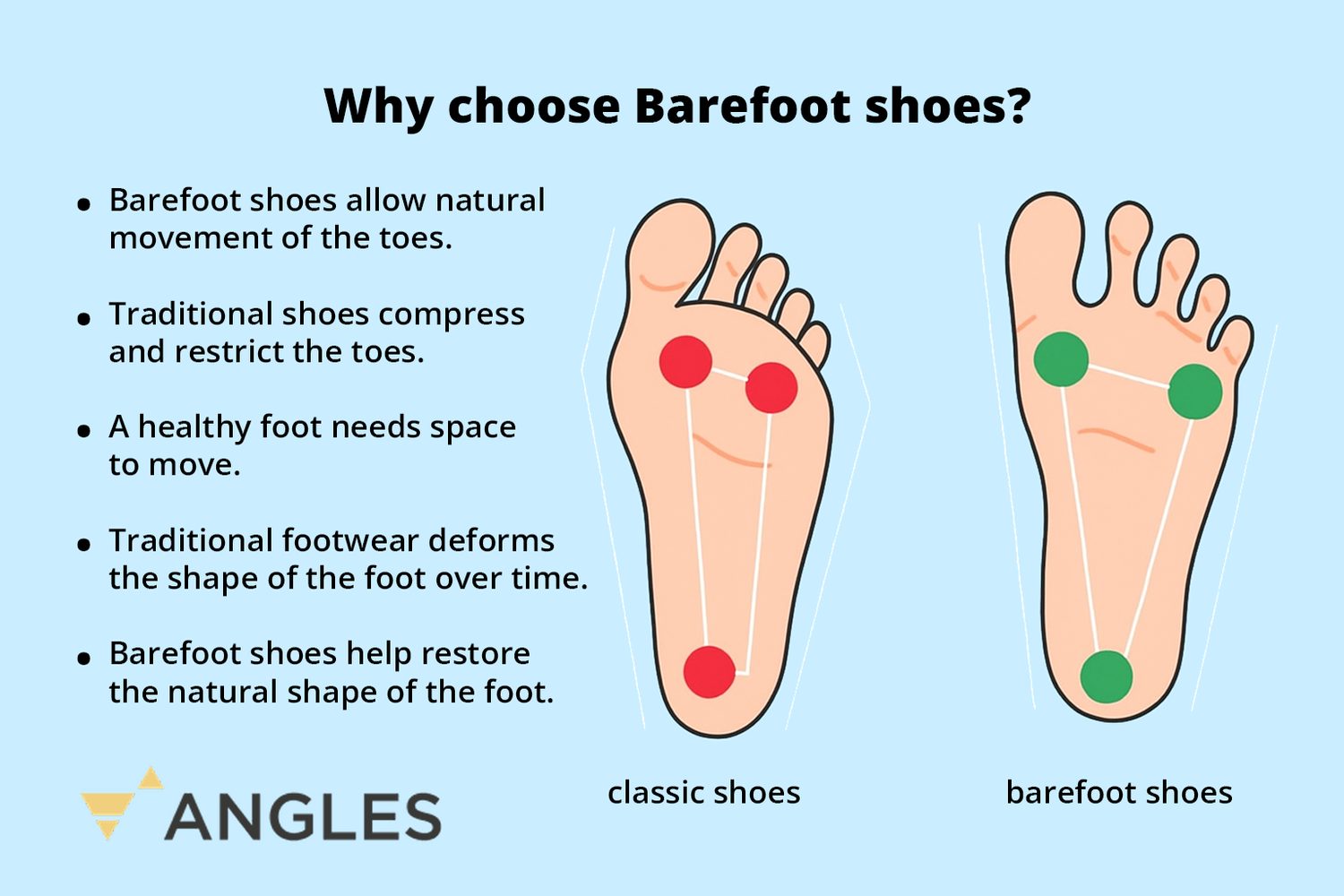
The fundamental difference between barefoot shoes and conventional footwear lies in their design philosophy. While conventional shoes restrict the freedom of the toes, limit proprioception, and often disrupt postural alignment, barefoot models are designed to respect the anatomical structure of the foot and not interfere with its natural functions.
Research in the fields of orthopedics and physiotherapy points to a link between poorly fitting shoes and disorders such as hallux valgus, flat feet, and chronic pain in the front of the foot. Historical and anthropological data also suggest that cultures with a tradition of walking barefoot have a significantly lower incidence of these problems.
Source: Own processing
1. More efficient walking and reduced risk of injury
Walking in barefoot shoes is more natural and gentler on your body. Instead of the hard impact on the heel that is common when wearing classic shoes, when walking in barefoot shoes, the foot touches the ground smoothly – from the middle of the foot to the toes. This way of walking reduces the strain on joints and cartilage, which can help prevent problems such as osteoarthritis.
Research shows that children who walk barefoot often have a softer and more natural gait. The same effect can be achieved in adults – barefoot shoes promote healthier movement and reduce the risk of strain and injury.
2. Zero drop for optimal posture
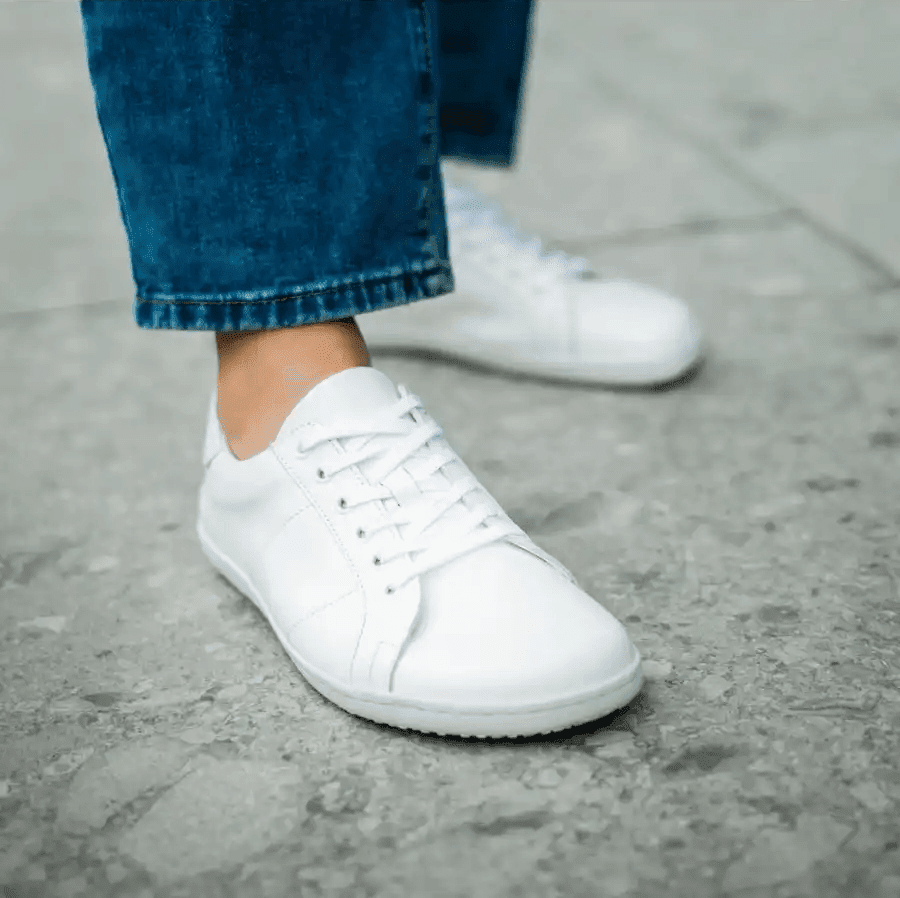
Barefoot shoes have a flat profile – the heel and toe are at the same height, which is referred to as "zero drop". This shape supports natural posture and helps maintain the correct alignment of the pelvis, spine, and head. Unlike conventional shoes with raised heels, which can cause tension in the calves and hips and incorrect posture over time, barefoot shoes respect the natural biomechanics of movement.
Research shows that long-term wearing of shoes with heels can lead to problems such as curvature of the spine or forward tilting of the pelvis. Barefoot shoes can prevent this by allowing the body to maintain its natural axis – without unnecessary fluctuations and tension.
Source: Own processing
3. Anatomical toe box for better balance
The wide front part of the shoe allows the toes to spread naturally, which directly affects stability when standing and moving. The big toe plays a crucial role in balance – if it is compressed, overall posture is disrupted. The barefoot design eliminates this problem by creating enough space for the toes to perform their stabilizing function.
Research suggests that toe flexibility, especially their ability to actively engage when standing on one leg, correlates with a reduced risk of falls in older adults. In addition, children who grow up without shoes have been shown to have better motor skills and balance.
4. Stronger feet thanks to natural movement
One of the main advantages of barefoot shoes is that they help to naturally strengthen the muscles of the feet. Because they do not have a hard sole or special supports (e.g., arch supports), the foot must stabilize itself and work harder with each step. This gradually increases its strength and resilience, which can help prevent injuries from overexertion.
Research also shows that children who grow up without shoes have stronger and better functioning feet than those who wear them all the time. Barefoot shoes not only protect the foot from injury, but also naturally train it and keep it healthy.
5. Better balance thanks to sensing contact with the ground
Barefoot shoes have thin, flexible soles that allow your feet to feel the surface beneath them much better than traditional shoes. This gives your brain more information about how and where your body is moving—a skill called proprioception.
Good proprioception is important for maintaining balance, coordinating movements, and preventing falls and injuries. Research confirms that barefoot shoes can significantly improve stability, especially in older people or those with balance problems. Better contact with the ground also activates the body's natural reflexes, which help you move safely and smoothly.
How to safely start wearing barefoot shoes?
You need to get used to barefoot shoes gradually. If you switch to this style too quickly, especially during sports or intense exercise, you can strain your tendons and muscles.
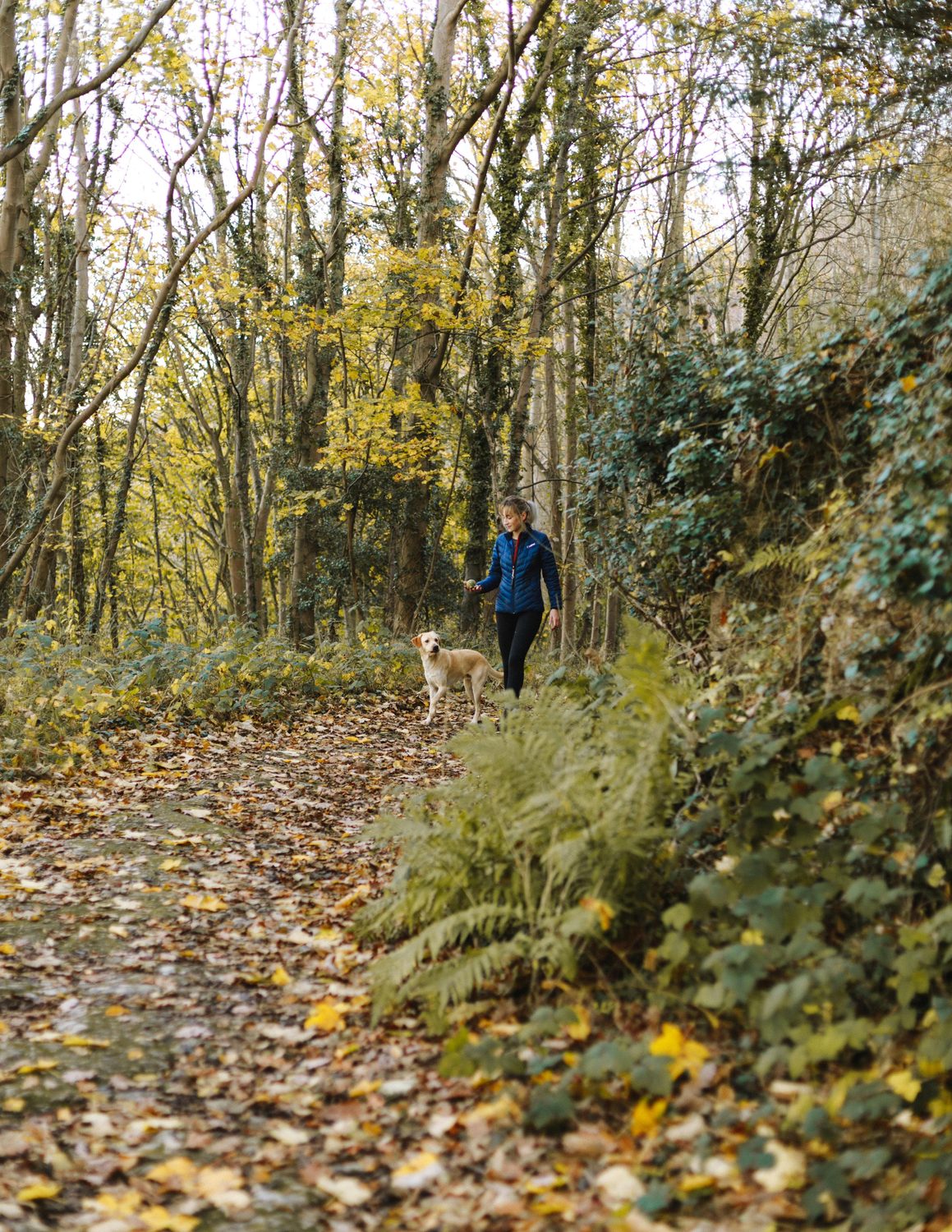
The best way to start is to take short walks in barefoot shoes and gradually increase the time and change the terrain. So-called transitional barefoot models, which have slight cushioning, can also help – they are ideal for those who need more support at the beginning.
Source: https://www.pexels.com/sk-sk/photo/1612847/
More than just a trend – a return to nature
Barefoot shoes are not just a fashion trend – they are a healthier choice for your feet and your whole body. They help improve movement, balance, and overall walking comfort. If you want to walk more naturally, feel better, and relieve your joints and muscles at the same time, barefoot shoes may be the right choice for you. They allow your feet to function as nature intended – and thus improve your posture and stability.
 Czech barefoot brand
 Return within 14 days
 € - EN
 Čeština
 Deutsch (DE)
 Deutsch (AT)
 Slovenčina
 Magyar
 български
 Nederlands
 Français
 Hrvatski
 Italiano
 Italiano
 Polski
 Română
 Slovenščina


